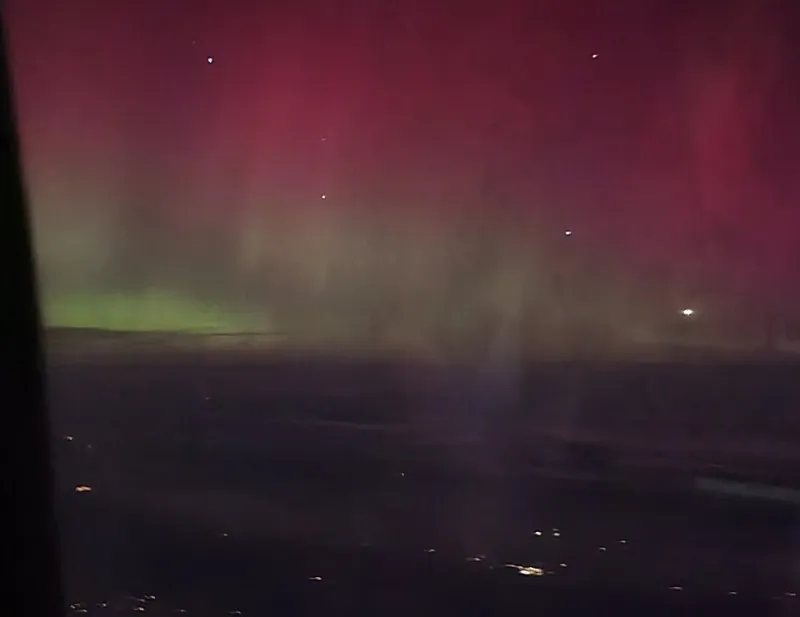
Where the Trail Meets the Queue: The Readers Saving Nature Essays for the Summit

Photo by Photo by Mazin Omron on Unsplash on Unsplash
There's a moment, somewhere around mile six, when your phone has one bar of service and nothing left to scroll. For a growing crew of American hikers, that's exactly when the good stuff starts.
Meet the trail readers: people who spend their evenings saving long-form nature writing, trail memoirs, and 8,000-word features about public land policy, then deliberately don't touch them until they're sitting on a granite slab somewhere in the Sierra or a fire ring in the Smokies. Their bookmark folders aren't a to-do list. They're a reward.
The Pre-Hike Save Session
Ask around on trail forums and in hiking Facebook groups and you'll find a pattern. The night before a big trip, people open their save-later apps — the same ones they use at their desks — and go on a small binge. A New Yorker piece on wolves in Yellowstone. An essay about the Continental Divide Trail. A profile of a fire lookout. All of it saved, all of it deferred.
"I call it packing my brain," says Dana Okafor, a section hiker on the Appalachian Trail who keeps a folder literally titled "Trail Snacks." "I'll save ten or twelve pieces before a trip knowing I'll read maybe four. The saving is part of the anticipation. It's like checking the weather and laying out your socks."
That anticipation is doing something interesting. On the trail, with no notifications, the saved articles stop feeling like homework and start feeling like a treat. Several readers told us the same thing in different words: the queue they ignore all month becomes the best company they have at 7,000 feet.
What's Actually in These Folders
Park guides and outdoor educators have noticed the trend too, and some have leaned into it.
Marcus Reyes, who leads guided trips in Olympic National Park, keeps a shared reading list he drops into his trip group chats. "Mostly it's place-specific stuff," he says. "If we're hiking the Hoh, I'll save pieces about temperate rainforests. People read them in the tent and come out of the flap the next morning looking at the trees differently. That's the whole point."
The genre breakdown from the readers we surveyed is remarkably consistent:
- Long-form environmental journalism — the kind of 6,000-word reporting nobody finishes on a lunch break
- Trail and expedition memoirs — Cheryl Strayed and Bill Bryson get name-dropped constantly, but so do newer voices
- Local history — pieces about the CCC, mining towns, Indigenous land history of wherever they're headed
- Essays about why we hike at all — the philosophical stuff that hits different when you're actually outside
Notice what's missing: anything short. Trail readers aren't saving listicles. They're saving the pieces that require the kind of uninterrupted hour that modern life almost never offers — except, it turns out, at a campsite.
The Offline Paradox
Here's the twist that makes trail bookmarking different from every other flavor of save-later culture: most of these readers can't access their folders on the trail at all. Spotty service means many are reading offline downloads, dog-eared printouts, or paperbacks they bought specifically because of something they once saved.
And they love that. The bookmark, in this context, works less like a browser function and more like a promise. Saving the piece is a commitment to a future self — one who will have the time, the quiet, and the alpenglow to actually finish it.
"The folder is the itinerary for my mind," says Priya Raman, a weekend backpacker in Colorado. "My phone gets me to the trailhead. The articles I saved get me through the night when the fire dies down."
Bring the Habit Home
You don't need a national park to steal this practice. The core idea — curate a small queue, attach it to an occasion, and refuse to open it early — works for cabin weekends, long flights, even a Sunday morning porch situation. Start with three pieces, not thirty. Make them long. Make them about the place you're going, or the headspace you want.
Then save it, share it with whoever's coming along, and read it again when you get back. That last part matters more than anyone expects. Plenty of trail readers say the piece they saved for the summit reads completely differently on the couch — and that reread is where the whole thing, like the best bookmarks, finally pays off.